PP 1 - Mobile Apps
Matterport
Matterport is a leading spatial data company that specializes in creating immersive 3D digital twins of physical spaces. Founded in 2011 and headquartered in Sunnyvale, California, Matterport has transformed the way people interact with real-world environments by leveraging cutting-edge technology, including augmented reality (AR). The company’s platform enables users to capture, store, and share high-fidelity 3D models of homes, offices, commercial buildings, and even outdoor spaces. Matterport’s technology has revolutionized industries such as real estate, construction, retail, hospitality, and insurance by making it easier to visualize, analyze, and experience spaces remotely.
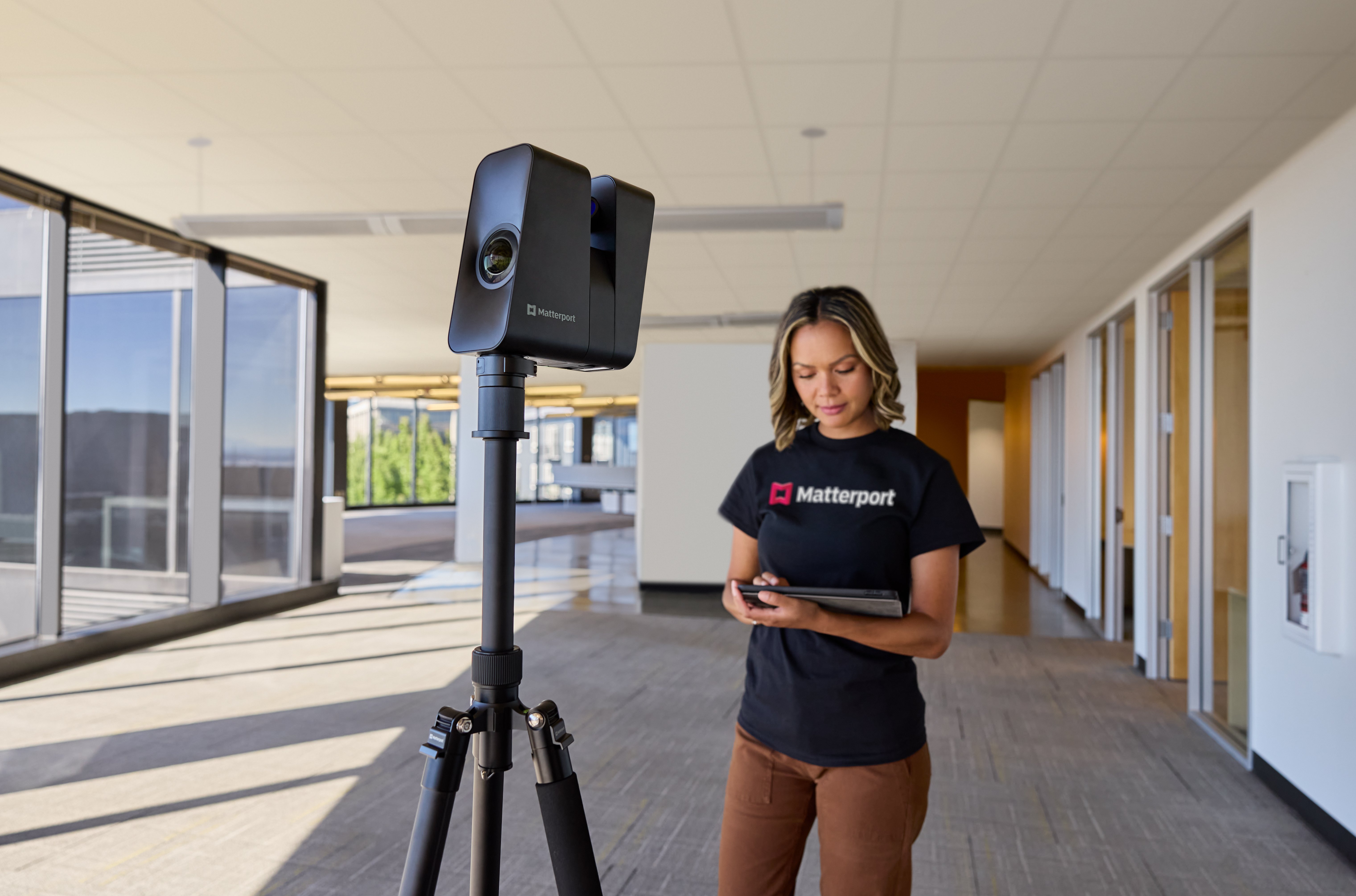
At its core, Matterport provides an end-to-end solution for creating 3D models of physical spaces. Users can capture spaces using the company’s proprietary 3D cameras, mobile devices, or third-party compatible cameras. The data collected is then processed through Matterport’s artificial intelligence-powered cloud platform, Cortex, which converts the raw imagery into a detailed and interactive digital twin.
Once a 3D model is created, users can explore it from any device as if they were physically present in the space. The platform enables seamless navigation, allowing users to zoom in on specific details, measure dimensions, and tag key features. The ability to create virtual tours has made Matterport a game-changer in real estate and hospitality, as potential buyers, tenants, or guests can explore properties from anywhere in the world.
Augmented reality (WIKI) (AR) is a crucial part of Matterport’s technology, enhancing how users interact with digital spaces. AR overlays digital content onto the real world, creating an enriched and interactive experience. Matterport integrates AR into its platform in several ways:
Matterport enables users to experience 3D models in AR through mobile devices. By using Matterport’s app, users can bring a virtual space into their own environment, allowing them to explore rooms at scale as if they were standing inside. This is particularly useful for interior designers, architects, and real estate agents who need to visualize how a space will look before making modifications.
One of the most significant applications of AR within Matterport’s ecosystem is space planning. Designers and construction professionals can use AR to overlay furniture, fixtures, and architectural elements onto a digital twin of a space. This helps stakeholders make more informed decisions about layout, materials, and structural modifications before committing to costly changes.
Matterport’s AR capabilities have transformed real estate marketing. Virtual staging allows realtors and sellers to furnish an empty property digitally, giving potential buyers an idea of how the space can be utilized. Instead of physically staging a home, which can be time-consuming and expensive, AR allows agents to add furniture, décor, and other elements instantly.

Matterport’s digital twins combined with AR have also been adopted in training and education. Organizations can use Matterport models to create realistic simulations for employee training, safety drills, or virtual field trips. This is particularly valuable in industries like healthcare, where AR-enhanced 3D spaces can be used for medical training and procedural practice.
Facility managers and maintenance teams benefit from AR-enhanced Matterport models by accessing digital overlays of critical building infrastructure. Through AR, they can view electrical wiring, plumbing, HVAC systems, and other elements hidden behind walls. This allows for more efficient troubleshooting and maintenance planning, reducing downtime and repair costs.
As AR technology advances, Matterport is poised to further integrate it into its platform, enhancing the realism and interactivity of digital twins. The rise of AR wearables, such as smart glasses, could make Matterport’s 3D models even more immersive, allowing users to walk through digital spaces with enhanced spatial awareness. Additionally, Matterport’s collaboration with artificial intelligence and machine learning continues to refine its 3D modeling capabilities, making it more accessible and efficient for businesses across various industries.
Matterport’s (Scene 3D) use of augmented reality is transforming how people capture, explore, and interact with physical spaces. By combining AR with 3D digital twins, the company is bridging the gap between the digital and physical worlds, providing valuable solutions for real estate, construction, retail, training, and facilities management. As technology continues to evolve, Matterport remains at the forefront of spatial computing, redefining how spaces are visualized and experienced globally.
This was written with the help of A.I.

Comments
Post a Comment