PP 3 - Forecasting the Future
The Future of A.I. in Media
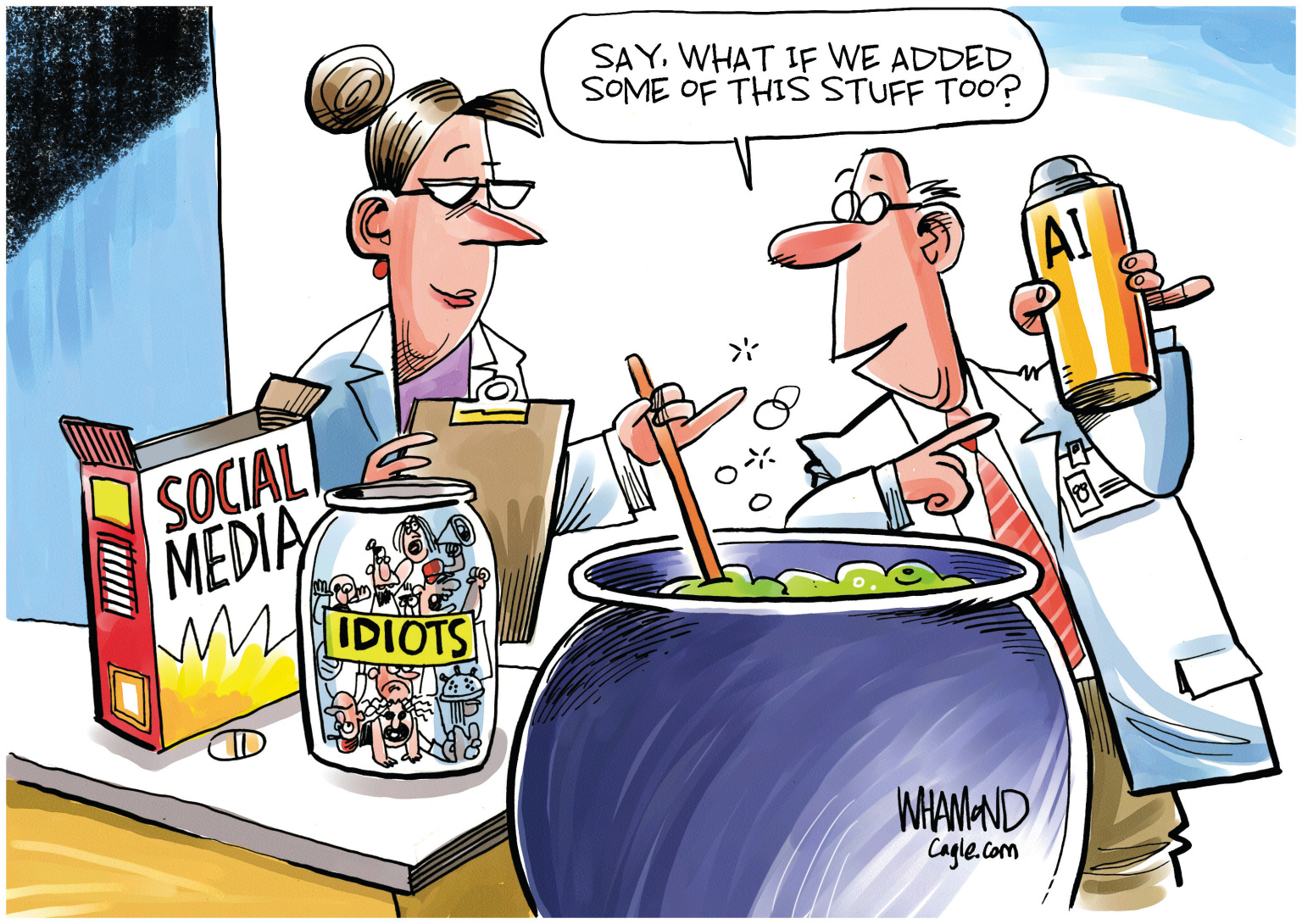
Artificial intelligence is quickly becoming one of the most transformative forces in the media industry, reshaping how we consume, create, and interact with content. As we move further into the future, it’s clear that AI is not just a passing trend—it’s a permanent fixture that will influence everything from personalized recommendations to synthetic media and journalism. The implications are exciting, but also raise serious questions about ethics, creativity, and the human role in storytelling.
@itsaljokes AI in the future #fyp ♬ original sound - al jokes
AI is also changing the game when it comes to content creation. Tools like ChatGPT, DALL·E, and newer video generators can already write scripts, generate realistic images, or even produce short films. In the future, it might be completely normal for someone with no technical background to create professional-looking content using just a few prompts. This democratization of media production could be a good thing, making it easier for more voices to be heard. But at the same time, it might mean fewer jobs for writers, editors, designers, and other creatives. Their roles won’t disappear, but they will shift. People may become more like supervisors or collaborators with AI rather than the original creators themselves.
 Another major area where AI is making waves is in synthetic media—like deepfakes or AI-generated voices and avatars. These technologies are already good enough to create convincing imitations of real people, and they’re only going to get more advanced. On the positive side, this could be used in fun and creative ways, like bringing historical figures to life in documentaries or creating virtual influencers who never age or mess up. But there’s also a dark side. Deepfakes can be used to spread misinformation, damage reputations, or manipulate public opinion. As a result, the media industry will have to develop tools to verify what’s real and what’s not. Digital watermarks, detection software, and strict ethical guidelines might become necessary to help people navigate this new landscape.
In journalism, AI is already being used to help with data analysis, fact-checking, and even writing basic news stories. It can scan thousands of documents in seconds or track patterns in public records that would take humans weeks to process. This could lead to more in-depth investigative reporting and faster news cycles. But there’s also a risk that AI-written content could prioritize engagement over accuracy, especially if it’s optimized for clicks and views. There’s also the possibility that AI could be used to mass-produce fake news or politically biased content. So while AI can be a powerful tool for truth, it could also be a weapon for misinformation. Striking the right balance will be one of the biggest challenges in the years ahead.
Even though all of this sounds futuristic and exciting, it raises some serious ethical questions. Who owns content created by AI? How do we make sure it doesn’t reinforce harmful stereotypes or spread misinformation? And what happens to human creativity in a world where machines can mimic it so well? There will likely be a pushback at some point, where audiences start to value human-made content more because of its imperfections and emotional depth. Just like how handmade items have a special charm in a mass-produced world, stories told by real people might become more meaningful in an AI-saturated media landscape.
In the end, the future of AI in media isn’t about replacing humans, but about changing the way we create and experience stories. It will make content more accessible, personalized, and interactive, but it will also force us to rethink what authenticity means. Media companies, creators, and audiences will all have to adapt to a world where machines can do a lot of what we used to think only people could do. Whether that’s a good thing or a bad thing depends on how we choose to use the technology—and how much we’re willing to question it along the way.
Comments
Post a Comment